
Last updated September 20, 2026
Free on-site gate assessment - hinges, posts, and your LiftMaster or Nice gate operator checked before anything is quoted
The assessment is free and the quote is the invoice.
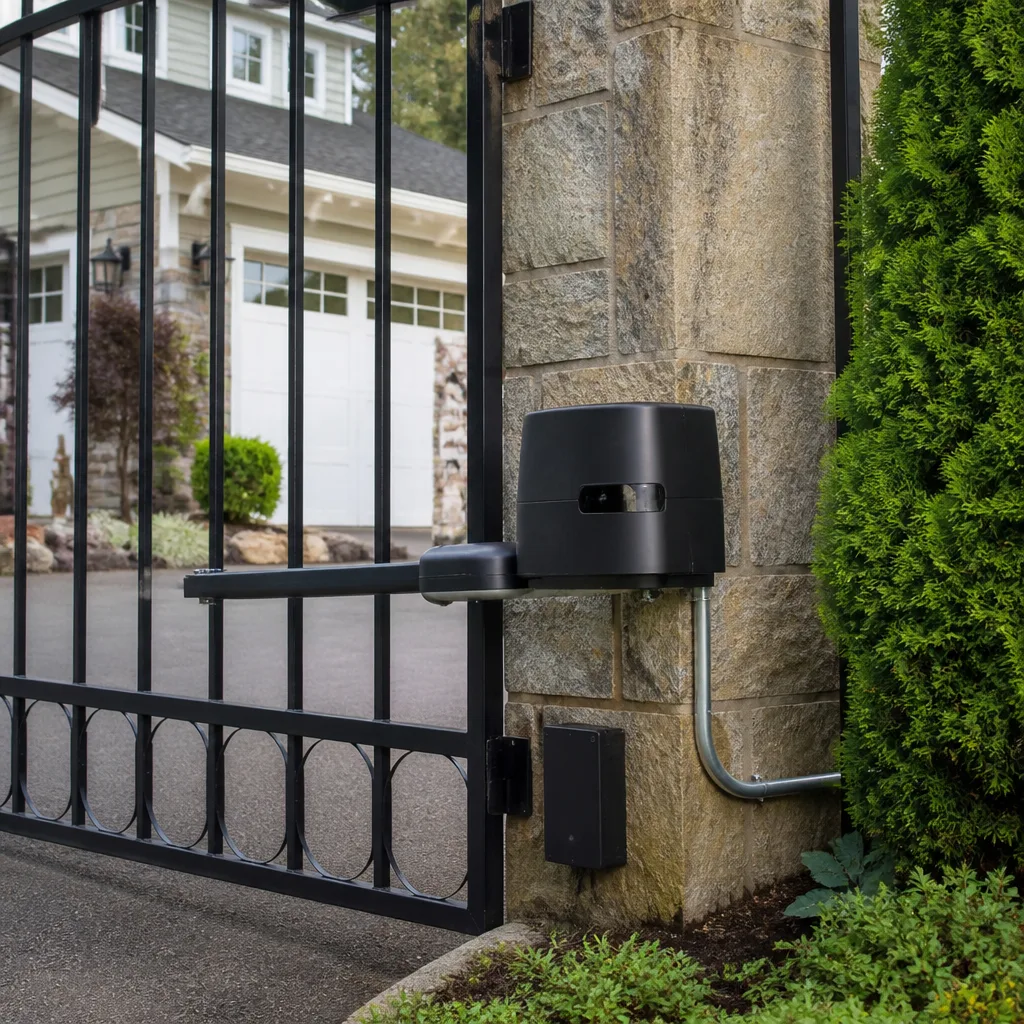
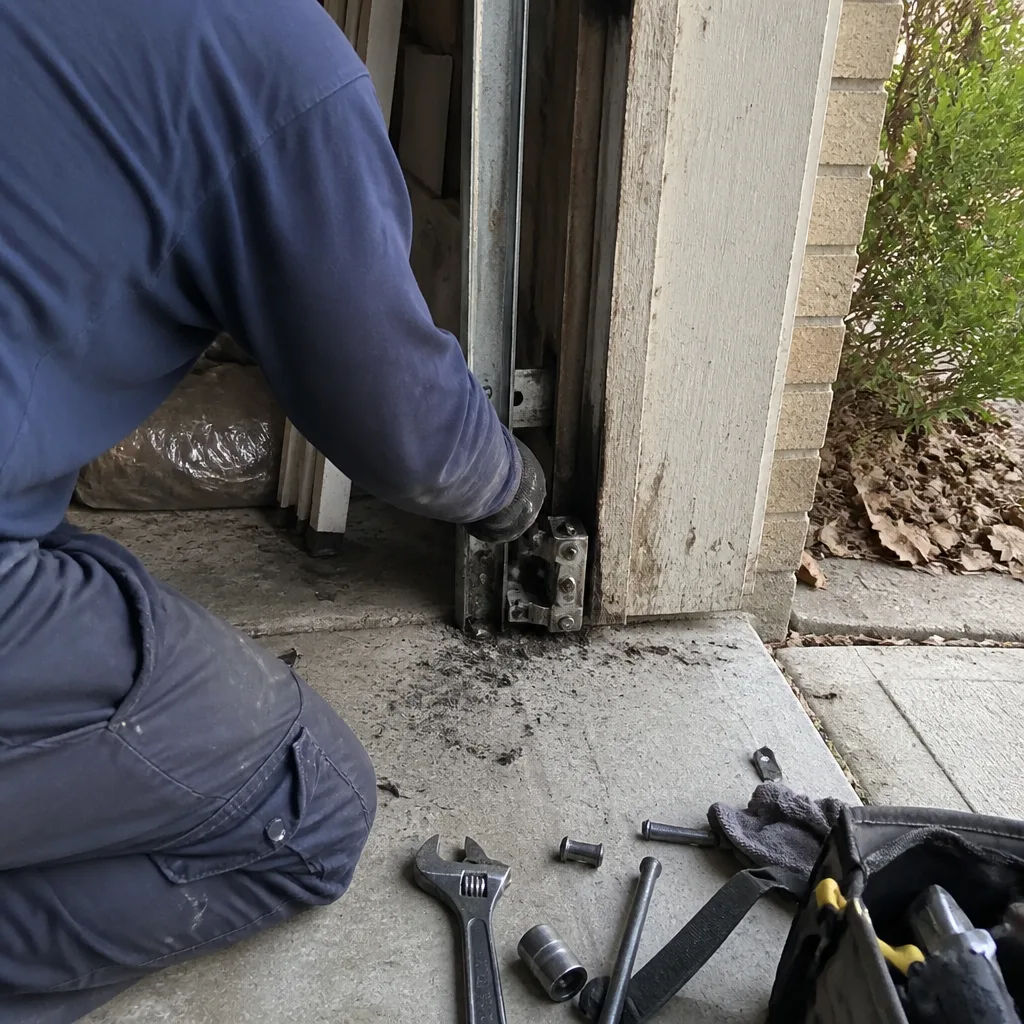 Before
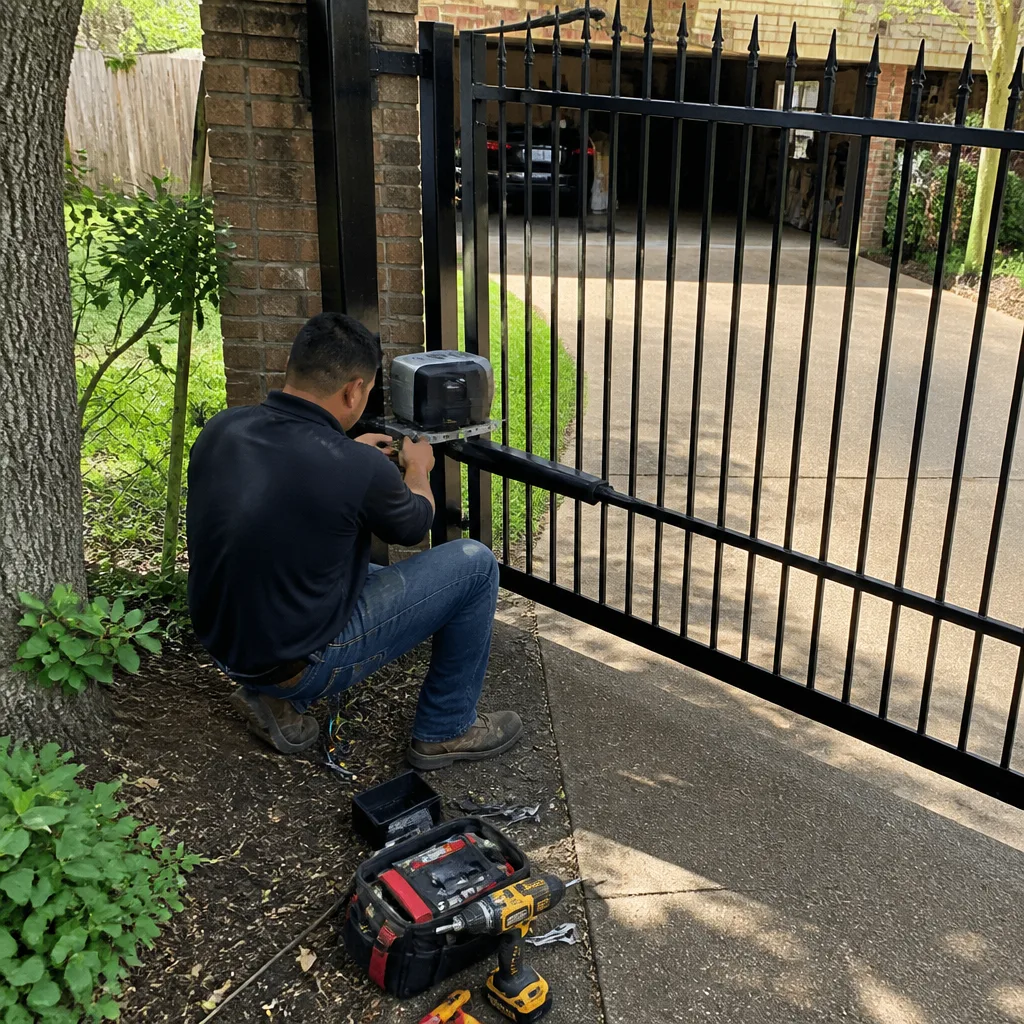 After
After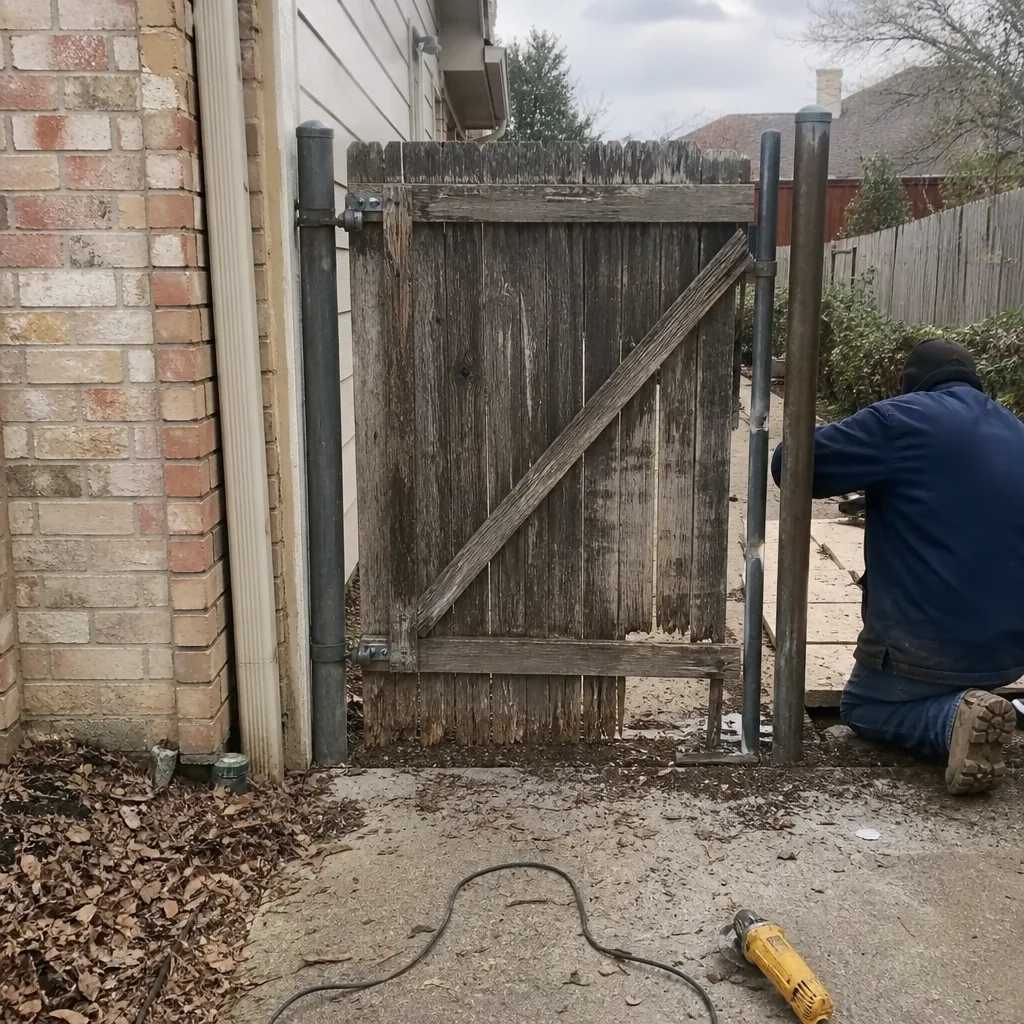 Before
 After
After Before
 After
AfterGate Repair Permits, Codes & Inspections in TX: What You Need to Know
An unpermitted gate motor installation in Irving can surface as a material defect disclosure on a home sale, requiring retroactive permits that cost more than the original job. Yet most gate companies never mention permitting because it slows down their schedule. This guide walks through the exact categories of gate work that trigger permit requirements in Irving, which repairs are maintenance-exempt under current municipal code, how HOA covenants layer restrictions on top of city rules, what inspectors actually check at final, and how to retroactively permit work that was installed without papers. You’ll also learn where the Texas electrical code draws the line between what a gate technician can wire and what requires a licensed electrician.
Quick Answer
Gate repairs (replacing a hinge, spring, wheel, or limit switch) are generally maintenance-exempt and do not require a City of Irving permit. Gate installations involving new electrical runs, new operator mounting, or new conduit typically require an electrical permit, and many Irving HOAs require architectural review before any gate structure changes. The safest path is to verify scope with the City of Irving Building Inspections department and your HOA before work starts, because hiring the right contractor from the start costs less than retroactive permitting after the fact.
Table of Contents
- What Triggers a Gate Permit in Irving?
- Maintenance-Exempt Repairs: What You Can Do Without a Permit
- The Electrical Line: When a Licensed Electrician Is Required
- HOA Covenants in Irving: The Second Layer You Cannot Ignore
- The Inspection Process for Permitted Gate Work
- How to Retroactively Permit Unpermitted Gate Work
- Common Mistakes to Avoid
- When to Call a Professional
- Frequently Asked Questions
- The Bottom Line
BeforeAfterWhat Triggers a Gate Permit in Irving?
City of Irving code applies the same electrical and building permit logic to gates that it applies to any fixed structure with an electrical connection. A gate that is purely mechanical, meaning it swings or slides by hand with no motor and no operator, rarely needs a building permit to repair. A gate that has an operator wired to line voltage almost always needs an electrical permit when that operator is first installed, replaced, or relocated. The trigger is not the gate itself; it is the presence of new or modified electrical work attached to the gate. That is the single most useful distinction for a homeowner to carry into any conversation with a contractor.
Work that typically requires a City of Irving permit includes:
- Installing a new gate operator or motor where none existed before, because this involves a new branch circuit or a new connection to an existing circuit.
- Running new electrical conduit, wire, or a new outlet to serve a gate operator.
- Replacing an operator with a unit that draws more amperage than the original circuit was sized for.
- Adding accessory devices that require line-voltage connection: safety loops cut into the driveway, photo-eyes mounted on new posts, or keypads with a wired power lead.
- Structural changes to the gate itself that alter its weight, dimensions, or mounting points, when the city classifies the work as a modification rather than a repair.
In Irving, most gate permit applications run through the city’s building inspection portal, and the electrical permit is the category most gate contractors will reference. The fee structure changes periodically, so we do not quote an exact dollar figure here. What we can tell you from doing gate installations in Irving for a decade is that a straightforward electrical permit for a new operator typically runs in the low hundreds of dollars, and the cost of failing to pull one is always higher once an inspector, a home inspector, or a title company flags the work later.
Maintenance-Exempt Repairs: What You Can Do Without a Permit
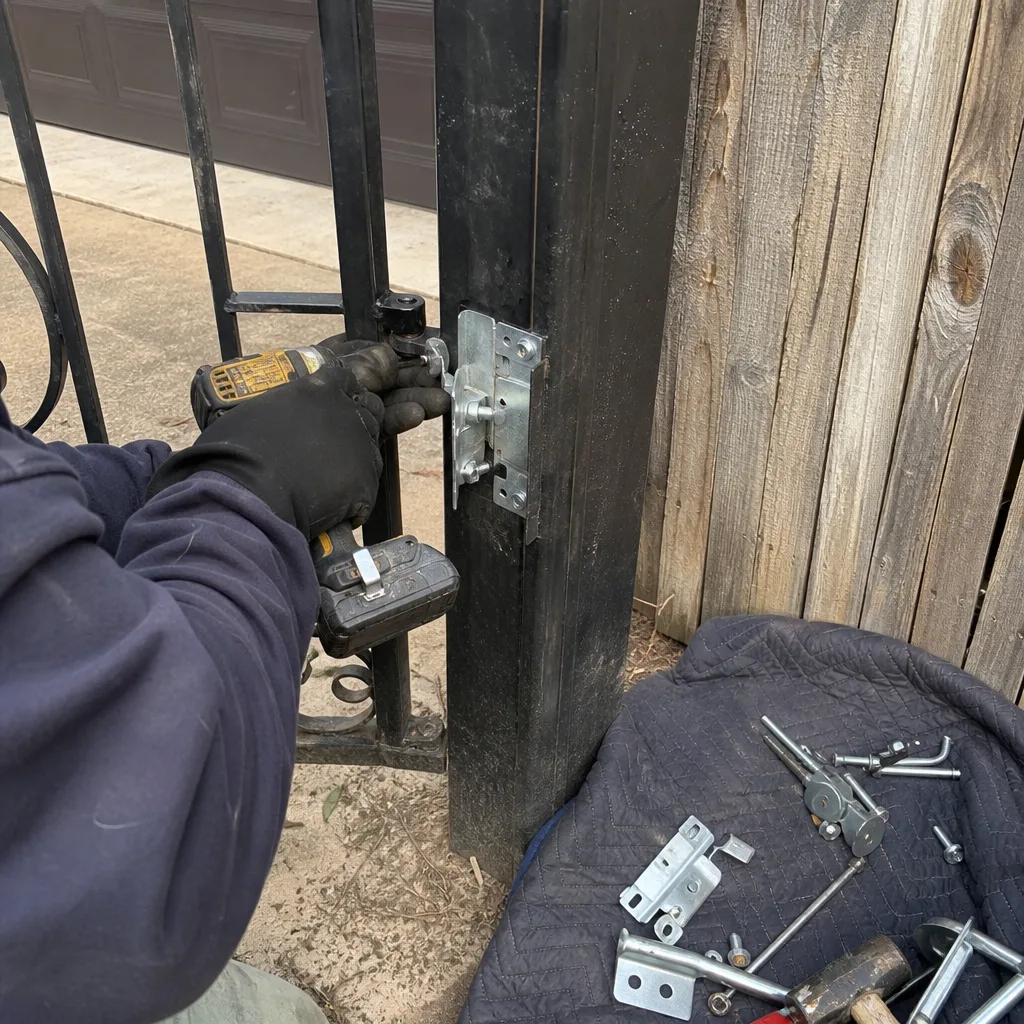
The City of Irving does not require a permit for the categories of work it defines as ordinary maintenance. For gates, that means work that restores an existing component to its original condition without changing the electrical footprint or the structural configuration. If the work does not add a new circuit, does not change the operator’s electrical draw, and does not move the gate’s structural mounting points, you are almost certainly in maintenance territory.
Common maintenance-exempt gate repairs in Irving include:
- Replacing a broken hinge, wheel, roller, or spring on a swing or slide gate.
- Adjusting a limit switch or resetting a travel setting on an existing operator.
- Replacing a photo-eye sensor that has failed, provided the wiring and mounting location stay the same.
- Rewelding a cracked gate frame member or repairing a sagging section without changing dimensions.
- Replacing a control board inside an existing operator housing, which is a component swap, not an electrical system change.
The line between maintenance and modification gets crossed when the technician starts moving things. If a photo-eye is relocated to a new post, if the operator is swapped for a model from a different brand with a higher amp draw, or if a new length of conduit has to be pulled, the city may no longer consider the job maintenance. We have seen Irving homeowners get caught on exactly this distinction: the repair started as a simple board replacement and became a permit-requiring job the moment the technician discovered the existing wiring was undersized for the replacement board’s load. When in doubt, ask the contractor to state in writing whether the work falls under maintenance or modification under current Irving code. A contractor who will not put that in writing is a contractor to avoid.
The Electrical Line: When a Licensed Electrician Is Required
Texas electrical code, as adopted by the City of Irving, draws a line between low-voltage control wiring and line-voltage power wiring. Low-voltage work, typically anything under 50 volts, includes most photo-eye circuits, keypad wiring, vehicle loop wiring, and control board connections. Line-voltage work, typically 120V or 240V, is what feeds the operator’s motor, a dedicated outlet, or a subpanel. In Texas, a gate technician can legally perform low-voltage control wiring on a gate operator as part of the operator’s scope of work. Line-voltage work requires a state-licensed electrician unless the gate technician also holds an electrical license.
This matters in practice because many gate companies in Irving will tell a homeowner they handle everything. What they often mean is they will run the low-voltage side and call an electrician for the power side, or they will simply extend an existing circuit without a permit and without an electrician. The second approach is the one that creates liability. When we service gate motors and openers in Irving, we identify whether the power run already exists and is adequate. If it does and is, the operator swap is often maintenance-exempt or minimally permitted. If a new power run is needed, we tell the homeowner a licensed electrician is required for that portion, and we coordinate the scheduling so the gate work and the electrical work happen in the right sequence.
Here is the practical test for homeowners: if the work requires a new breaker, a new outlet, or new conduit carrying line voltage, a licensed electrician is required. If the work is confined to the operator’s low-voltage control board, sensors, keypads, and loops, a qualified gate technician can perform it. The gray zone is extending an existing branch circuit, and in Irving the safe answer is that any modification to 120V wiring is electrical work. Do not let a gate contractor convince you otherwise.
HOA Covenants in Irving: The Second Layer You Cannot Ignore
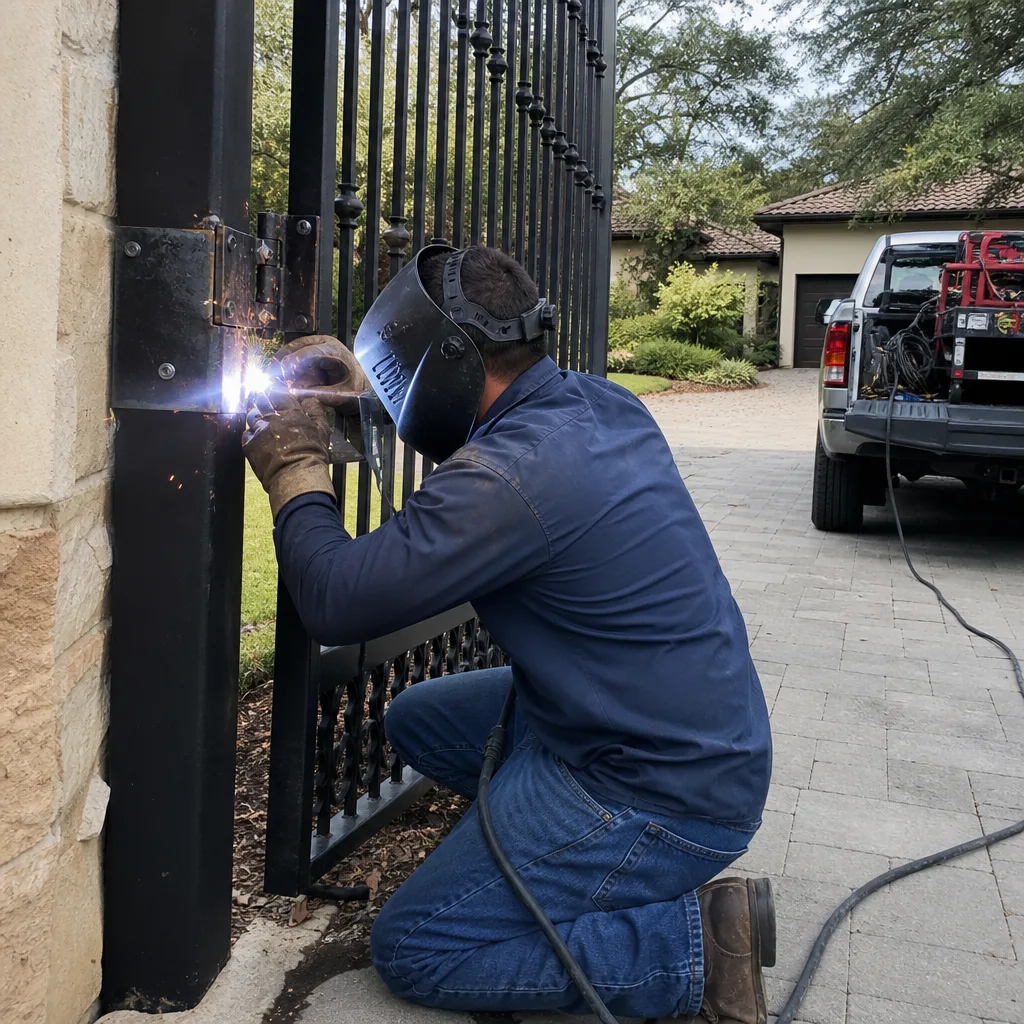
City code is the floor. HOA covenants are the walls. In Irving developments such as Valley Ranch, Las Colinas, Hackberry Creek, and University Hills, architectural control committees frequently impose restrictions on gate appearance, height, material, color, and even the type of operator that can be installed. A city permit does not waive an HOA requirement, and an HOA approval does not waive a city permit. The two systems operate independently, and both can stop a project.
Before any gate installation or significant modification, request the architectural control guidelines from your HOA management company. Look for sections addressing fences, gates, front yard structures, and mechanical equipment. Some Irving HOAs prohibit slide gates entirely in front elevations because the track is considered visually intrusive. Others require operators to be painted a specific color to match the gate. A few require that the operator be mounted on the interior side of the property at a specific setback. None of these requirements appear in city code, and none will be flagged by a city inspector.
In our experience with gate repair in Irving, the HOA conflict usually surfaces after the work is done, when a neighbor complains or a drive-by architectural review flags the change. The homeowner then faces a choice between removing a gate that cost thousands or appealing to a board that meets monthly. The fix is front-end: send your contractor’s written scope and a photo of the proposed gate to the HOA before work starts. The written scope also protects you by documenting exactly what was proposed, which makes it harder for a contractor to deviate later.
The Inspection Process for Permitted Gate Work
When a gate job in Irving does require a permit, the final inspection is not the two-minute formality some contractors imply. The inspector checks specific things, and the homeowner or contractor needs documentation ready. Understanding what the inspector looks for helps you choose a contractor who will pass the first time rather than one who will leave you to schedule re-inspections.
A typical Irving gate or electrical inspection for permitted gate work covers:
- Permit card posted - The approved permit and any approved plans must be available on site at the time of inspection.
- Electrical rough-in - If the work involved new conduit, the inspector checks conductor sizing, grounding, and box fill before anything is covered over. This is why new power runs must be inspected before trenching is backfilled.
- Operator nameplate - The inspector verifies the installed operator matches the equipment described in the permit application, including voltage and amp draw.
- Safety devices - Photo-eyes, safety edges, and loop detectors must be installed and functional. The inspector tests that the gate reverses when the beam is interrupted.
- Bonding and grounding - The operator chassis and any metal gate frame in contact with electrical components must be properly bonded to ground.
- UL listing - The operator and any line-voltage accessories must carry a UL listing mark. Imported or repurposed equipment without a listing fails inspection.
- Clearances and setbacks - The gate’s travel path must not obstruct a public right-of-way, sidewalk, or required emergency access.
Once the inspector signs off, the permit is closed and the work is documented with the city. That closed permit is what you will show a buyer’s inspector years later. If the work is repaired under our 365-Day Done Right Promise, we document the follow-up visit with the same photo record we provide on every job, so the paper trail stays intact.
How to Retroactively Permit Unpermitted Gate Work
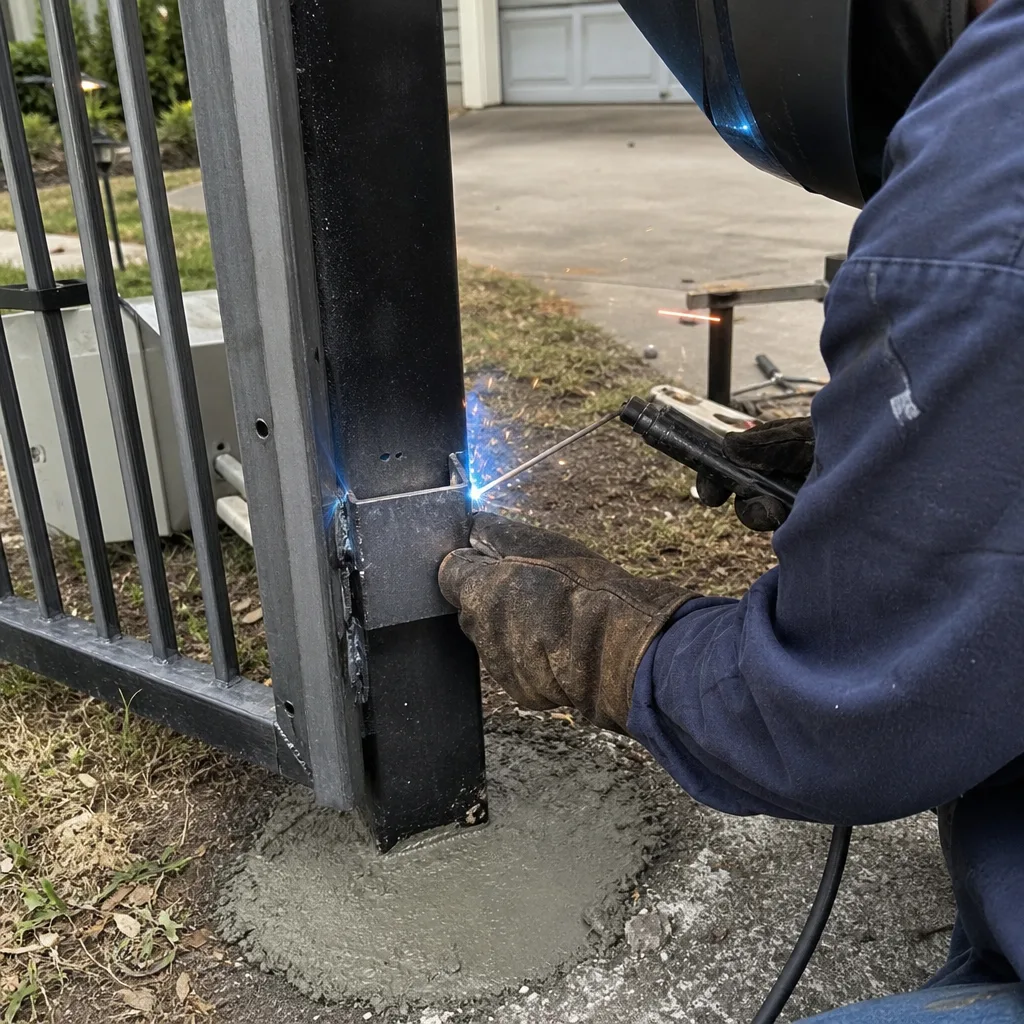
Retroactive permitting in Irving is possible but painful. The process exists because the city recognizes that homeowners often inherit unpermitted work from a previous owner or discover it only when a buyer’s inspector flags it. The path back to compliance has clear steps, and none of them are free.
- Hire a contractor or electrical inspector to document the existing installation. You need photos, a written description of the equipment, the operator brand and model, and the condition of the wiring. This documentation becomes the basis of the retroactive permit application.
- Apply for a retroactive permit through the City of Irving. The application describes the work as already complete and requests a field inspection to verify code compliance. Retroactive permit fees are typically higher than standard permit fees, sometimes double, because the city charges a penalty component.
- Prepare for the inspection to be stricter. Inspectors apply current code to retroactive work. A gate installation that predates a code revision may not meet today’s requirements, even if it was compliant when installed. Expect to be told what must be corrected.
- Complete any corrective work. This is where costs compound, because the original contractor may be gone, and the new contractor must first undo what was done wrong. We have seen Irving homeowners pay more to fix a bad operator installation than the original installation cost.
- Pass the inspection and close the permit. Once closed, the permit status is retroactive and the work is considered code-compliant for resale purposes.
The total cost of retroactive permitting in Irving depends on the scope, but a simple unpermitted operator installation will rarely cost less than $500 when application fees, documentation, and corrective work are combined. Complex jobs with hidden wiring problems run into the thousands. That number is the strongest argument for verifying permit status before you hire, not after the work is done.
Common Mistakes to Avoid
- Assuming the contractor pulled the permit when they did not. Ask to see the permit number before work starts. A contractor who says “we’ll handle that later” is a contractor who will not handle it. Get the permit number in writing.
- Treating the HOA as an optional step. In Irving master-planned communities, the HOA has enforcement authority independent of the city. A gate that passes city inspection can still be flagged by architectural review and forced into modification.
- Accepting a verbal statement that the work is maintenance-exempt. The contractor’s verbal assurance means nothing at resale. If the work is questioned later, you need a written scope that states the work was maintenance under Irving code. Without it, you are arguing from memory.
- Letting a gate technician run line-voltage wiring without an electrical license. This is the most common code violation we see in Irving gate work. The operator powers on and works, so the homeowner assumes everything is fine. The problem appears at inspection, at resale, or when the wiring fails.
- Skipping the photo documentation. You cannot retroactively prove what was installed if no pictures exist. On every job we do, the homeowner receives a documented photo record of what was found, what was adjusted, and what was replaced. That record is the difference between a smooth resale inspection and a contentious one.
- Choosing the lowest bid without checking what it excludes. A bid that excludes permits, electrical work, or HOA filing is not cheaper. It is just deferred. The written price you receive should state explicitly which permits are included, which trade will perform electrical work, and who is responsible for HOA filing.
- Replacing an operator with a different brand without checking circuit capacity. A LiftMaster replacement for an old FAAC unit often draws different amperage. If the circuit was sized for the original, the swap can overload it. This is exactly the kind of retrofit we address when we service the nine brands we work on, including LiftMaster, FAAC, Elite, and Mighty Mule.
When to Call a Professional
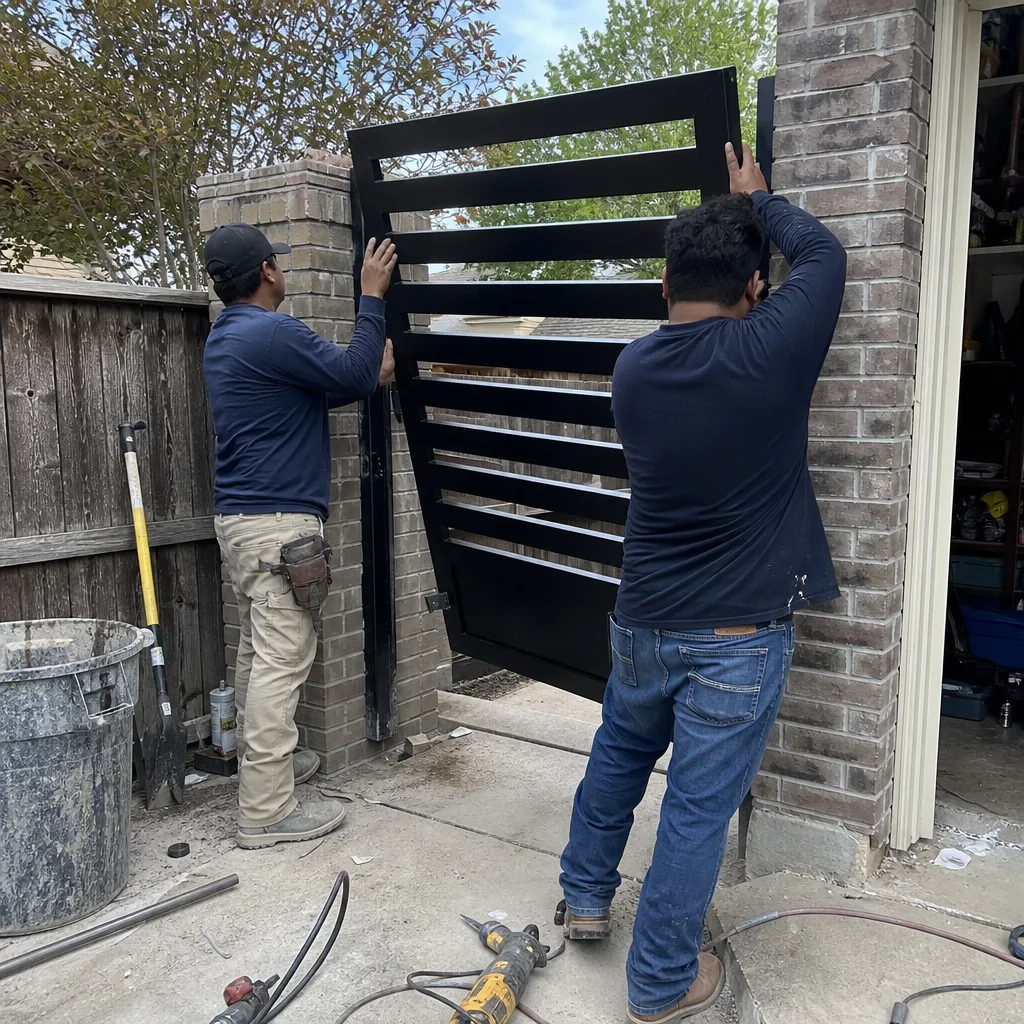
Permit navigation is not a weekend project. You need a professional when the work involves a new operator installation, any modification to line-voltage wiring, structural changes to the gate itself, or a home sale that has already flagged unpermitted work. You also need one when the HOA requires stamped drawings or an architect’s letter, because most homeowners do not have a drafting relationship on call.
If you are uncertain whether your gate project needs a permit in Iruring, the fastest path to an answer is a documented on-site assessment with a written scope. Vance Gate Repair Irving offers free estimates for gate work in Irving, and every estimate states in writing whether the work falls under maintenance or requires a city permit. Call (817) 510-4183 to schedule one. We will tell you the truth about your permitting situation before any work begins, because Clause 1 of our Haven Standard means the written price and the written scope come first.
Frequently Asked Questions
Most gate repairs do not require a permit in Irving because they qualify as maintenance. Replacing a hinge, spring, wheel, limit switch, or photo-eye in its original location is maintenance-exempt. A permit is triggered when the work adds new electrical wiring, changes the operator’s circuit draw, or structurally modifies the gate. If you are unsure, ask for a written maintenance determination from your contractor. Call (817) 510-4183 and we will give you a written answer with no obligation.
City of Irving electrical permit fees for gate work typically start in the low hundreds of dollars, with retroactive permits costing more because they include penalty components. The exact fee depends on the scope and the city’s current fee schedule. The more expensive line item is usually not the permit itself but the corrective work an inspector orders if the original installation was done wrong.
No. The city and the HOA are separate approval tracks. The city issues permits based on code compliance. The HOA enforces architectural covenants based on appearance and community standards. You need both approvals for a clean project, but one does not trigger or satisfy the other.
A gate technician can perform low-voltage control wiring, such as photo-eyes, keypads, and loop detectors, under the operator’s scope of work. Line-voltage power wiring, meaning 120V or 240V circuits, requires a licensed electrician in Texas. If your technician tells you they can run the power line without an electrical license, treat that as a red flag.
You will likely be required to disclose it as a material defect and either complete retroactive permitting before closing or negotiate a credit to the buyer for the cost. Retroactive permitting in Irving costs more than the original permit would have, because of penalty fees plus any corrective work required to bring the installation up to current code. The cleanest protection is a closed permit and a documented photo record from the original installation.
Contact the City of Irving Building Inspections department and request a permit history for your address. The city can tell you whether permits were pulled for the gate and whether they were closed. You can also ask a gate contractor to document the installation’s current condition, which helps you understand what corrective work might be needed if permits are missing. Call (817) 510-4183 for a professional assessment at no cost.
The Bottom Line
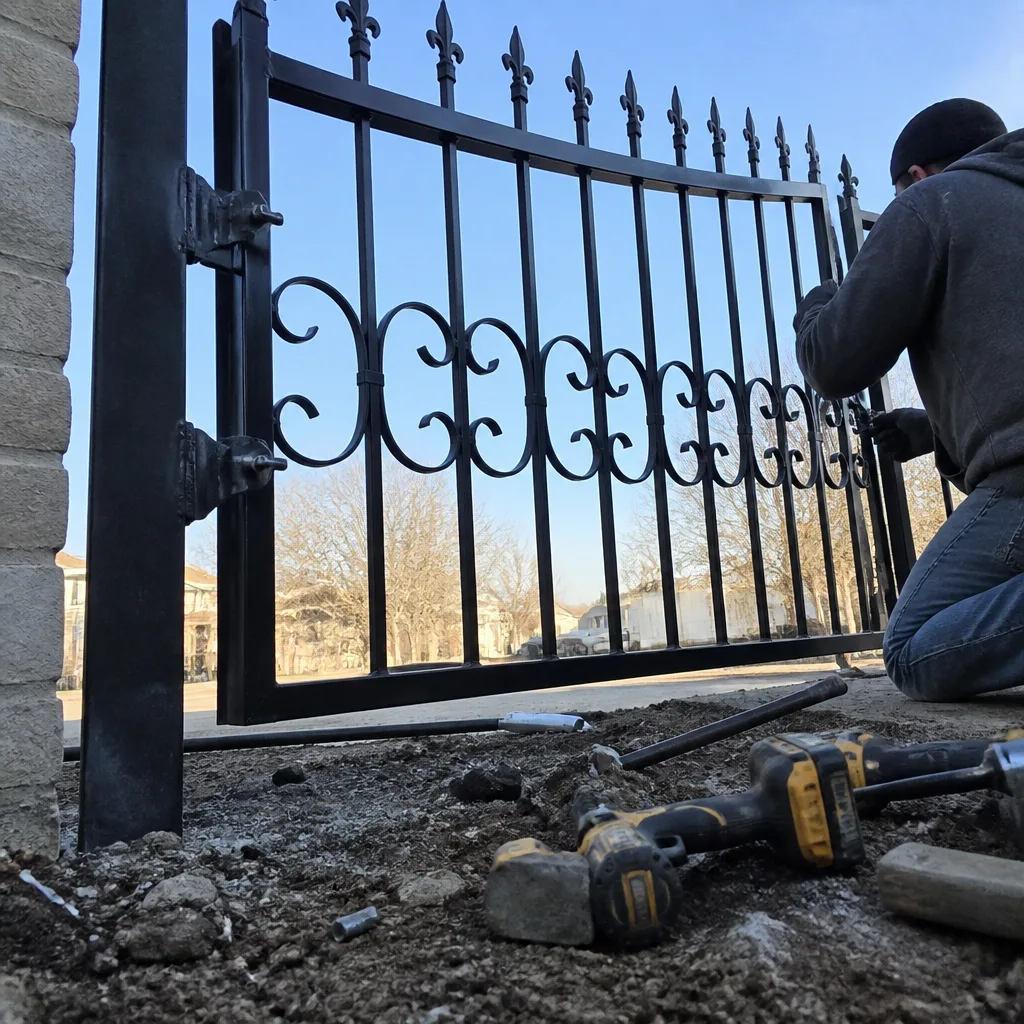
Gate repair in Iriving sits at the intersection of three rule sets: city electrical code, HOA architectural covenants, and the Texas licensing line between low-voltage and line-voltage work. Most repairs are maintenance-exempt and need nothing. Most new installations need an electrical permit, an electrician for the power side, and HOA approval if your development enforces architectural controls. The cost of skipping any of these is discovered later, usually at resale, usually as a material defect disclosure. The fix is documentation: a written scope, a written determination of permit requirements, and a photo record of the work. Those three documents are the difference between a gate that sells quietly and a gate that holds up a closing. For more guides & resources on protecting your home investment, explore our blog.
Written by Adrian Vance, Owner at Vance Gate Repair Irving, serving Irving since 2014.